Author: Sanjeev SB

The evolution of classical astronomy: From Babylonia to James Webb Large Array

People have always been fascinated by the glimmer and shine of the stars of the heavens. However, the ‘heavens’ turned out to be much different than what ancient astronomers believed it was. Let’s dive deep into the evolution of skywatching!

“The purpose of life is the investigation of the Sun, the Moon, and the heavens”

-Anaxagoras

The humongous observatory of the Mayans. They were too STARSTRUCK!
Image:Oxford Univ

Stars. The mega furnaces that brewed up life and planets. Trillions and trillions of stars lay among the unexplored lengths of the universe. That’s what we know, after centuries of stargazing and theoretical predictions by the brightest of physicists. Trillions might be a huge number, but that wasn’t the ancient astronomers worry. All they could see were a few hundreds that varied depending upon the time of the year. Well, in fact, stars gave us the years afterall. So let’s say the stars just cycled through time. These astronomers however, pushed by the curiosity of what lies in the heavens, did a pretty great job of mapping the sky. Although the assumptions made by them have been proved wrong, drops make oceans. It was quite a good start.

Stay tuned for the next parts. Hope you enjoyed it!
Astrophysics – Art of the impossible

Astrophysics. Period. A field of science thought to have been immensely popularised ever since the birth of Galileo Galilei. In fact, it flourished hundreds of years ago, dating back to the impeccable Mayans and intelligent Egyptians. Chinese astronomers have been found out to have made observations about the sky and made their own sky maps years ago. The sailors – every captain excelled at observational astronomy.

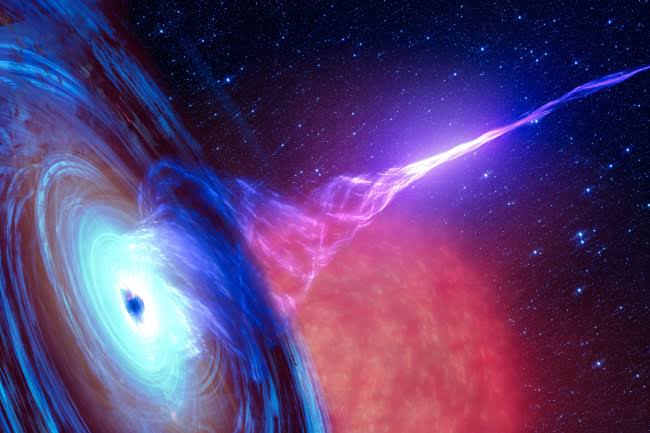
The unsolved mysteries of black holes! Image:NASA

Advent of the optical telescopes changed astronomy in a truly revolutionary way. It simply wasn’t the same as what it was before. The discovery of other planets moving around our Sun and then the moons, expanded the field. There was a fast paced development of telescopes of all kinds – optical, radio, inframetrey, and  of course Ultraviolet. With this came supercomputers, allowing astronomers and physicists to simulate and observe the universe like never before.

The invisible beauty of extragalactic objects. Image:JAXA

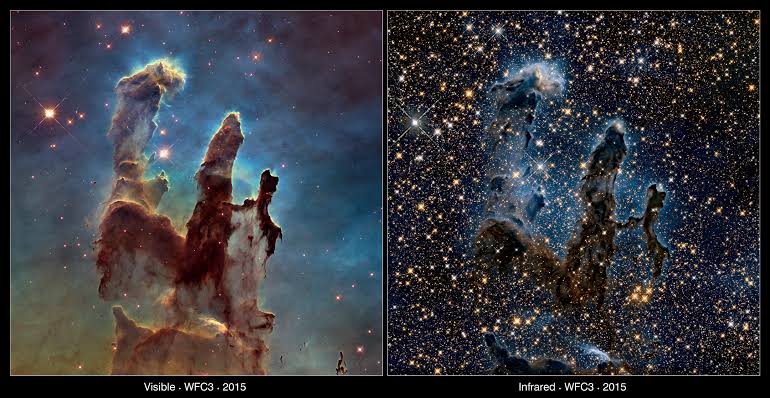
Every person must have been fascinated by the multicolored glow of the nebulae and the super sassy look of the galaxies. A person with geniune interest, would have spent a little time on what causes these phenomena. And of course, super experts would be able to explain these with sheer beauty and intricacy. Here at 1 Touch Astrophysics, you are welcomed to join the amateur community of astrophysicists-to-be. Every single reader is welcome to share his/her opinions and views about space, physics and math. Anything about the vast Cosmos is welcome.

Together, let’s Escape the Inescapable